Hello! I’m Lys, a library worker and BL manga fan. I hope this blog is not only helpful for those who are unfamiliar with BL, such as library staff and booksellers, but existing fans as well!

  • BL Manga for Beginners Main Page
    Part 02: BL Stories and Conventions ✧ Part 04: BL Events in Japan

    Hello! Today’s topic of BL Manga for Beginners focuses on commercial manga serialization and comics releases in Japan. A lot of the information I mention here I’ve learned over time as I’ve gotten into different magazines/labels, purchased manga, and read Boys Love Manga and Beyond.

    Note: While manga are often written and illustrated by a single person, manga can created by writer/artist duos or even groups. For the sake of simplification, I’ll refer to manga creators in general as “mangaka” (漫画家) in this post.

    Intro to Manga Serialization
    Commercial (商業) manga is primarily serialized by chapter. Manga series have traditionally been serialized in magazines, which collect chapters from multiple creators in each issue. Another term used besides magazine is “label”, and sometimes used interchangeably with magazines. With the rise of digital manga, some magazines/labels forego having a traditional magazine issue. Instead, they have series’ chapters individually and directly available for purchase. Publishers may have their own dedicated sites, or make them available on other platforms. Some traditional magazines have started offering the options of buying individual chapters too.

    Manga magazines/labels include more than just serialized manga. Some manga are one-shots, known in Japanese as yomikiri (読み切り). Sometimes yomikiri end up becoming a serialized work! Another kind of short story in magazines is a bangaihen (番外編), which is an extra or bonus chapter of a serialized work. In traditional magazine issues, mangaka interviews and other editorial articles may be included too.

    JUNE No.3 cover from a page on the exhibit BL Evolution

    JUNE
    JUNE
    was the first magazine dedicated to m/m manga and prose. It ran from 1978 to 1995, with a short break in 1979. A blog called Slightly Biased Manga actually has a post with some scans and information from the first issue of JUNE, when it was still called Comic JUN. JUNE was highly influential during its publication. One famous contributor to the magazine was Keiko Takemiya, the mangaka of Kaze to Ki no Uta. Original work that had conventions similar to stories from JUNE came to be known as original JUNE, or sosaku (創作) JUNE. This term is still used in doujinshi events to refer to original BL, often used alongside the term sosaku BL. So while the magazine ceased publication over 30 years ago, it still lives on in contemporary BL.

    The cover of Image‘s first issue from a Chill Chill article on 90s BL manga

    Modern BL Magazines and Labels
    The modern BL genre began to really take shape in the 1990s. Image from Byakuya Shobo is said to be the first magazine to use the term “boys’ love”. While Image and a number of early BL magazines have ceased publication there are a few still ongoing. Ongoing magazines that started in the 90s include Magazine BE BOY from Biblos (ownership changed to Libre in 2006), Chara from Tokuma Shoten, RuTiLe from Gentosha, and Renjin from Takeshobo. BL magazine schedules vary, including monthly, every other month, and quarterly. With the majority of Japanese readers buying digital over print these days, many newer magazines are digital only like from RED. Some print magazines have also moved to digital entirely, such as Renjin and RuTiLe. As for digital labels, some examples Vinyl from Kobunsha, moment from ShuCream, and KiR from CLAP Comics.

    BE・BOY GOLD April 2026 Issue posted by Haruko Kubota, featuring her new serialization Ao no Hitomi no Ryuu no Hime

    Some BL manga series are published in magazines/ labels not confined to a single genre, like Monthly Comic Gene from Pixiv. Titles from this magazine include Minato’s Laundromat and Sasaki and Miyano. There are also a handful of BL titles published in shojo manga magazines too, like A Love too Captivating in Kodansha’s Besattsu Friend.

    As for the length of BL manga, it’s very common for a series to be roughly 4-7 chapters and collected into a single volume at the end! Sometimes the serialization is renewed if popular, resulting in a continuation (続編) or sequel. This may go on for several “seasons”. There are stories that are multi-volume to begin with as well. Spin-offs focusing on secondary characters or couples are also popular.

    Over the last 35 years or so, BL manga magazines and labels have come and gone, but there still are plenty out there! I made a list of active BL magazines/labels, which includes links to the editorial department (編集部) social media accounts.

    Since I wasn’t able to embed the table directly, here’s a preview screenshot! Click the image to see the full table.

    BL Comics/Tankobon Releases
    After a several chapters or a serialization finishes, they are collected into a volume. In Japan, the loanword comics (コミックス) and tankobon (単行本) are used to describe these bound volumes. Comics sizes vary, but one of the most common ones are the Japanese B6 size and international A5. The counter used for manga volumes is kan (巻). Manga that are complete in two volumes often use the characters jo (上) and ge (下) to mark the first and second volumes respectively.

    For printed comics, magazines/labels generally have an imprint of the same name, but there are occasional exceptions. Some digital only labels have series printed by different publishers. One case is Sonoo Michiru’s KOH-BOKU. Its digital publisher is COMPASS, but it’s printed by Shinshokan under the Dear+ Comics imprint. Print imprints are important, as manga are often grouped by publisher and imprint in bookstores. On a physical book, the imprint name is often located at the top of the spine of the dust jacket.

    Many mangaka create content specifically drawn for the comics release, called a kakioroshi (描き下ろし). A kakioroshi for a comics volume can be short as one page, but no longer than a regular chapter. More often than not, they serve as an epilogue to the main story or a side story. Additional bonuses, or tokuten (特典), are also common with a comics release. For physical releases, they may be a free like a one-page comic paper (ペーパー) or a 4 page leaflet (4Pリフレット). Booklets (小冊子) that are around 8-16 pages and acrylic standees are other common paid bonus goods. Tokuten are often store specific, but general special editions and publisher bonuses also exist. Digital versions and stores also have bonuses, usually in the form of a comic. Print bonuses are sometimes collected into digital booklets later on. Below are pictures of the print release and a tokuten summary for If it’s You I Might Try Falling in Love Vol. 6 posted by Maru Kubota on Twitter. Some of the tokuten listed include a 8 page booklet, illustration card, 4 page leaflet, a 2-way acrylic stand, a die-cut sticker, and a new (kakioroshi) illustration.

    When it comes to promoting online, mangaka or editorial department accounts often post the first chapter of a series. This helps garner interest for the work, typically before the comics release. At the end of the thread, they usually post more information about the work!

    Chapter 1 of TARO DON’T ESCAPE! thread posted by mememe.
    Twitter (X) campaign to win a signed book from Gangan BLiss (Square Enix).

    Additional promotions for a comics release include social media campaigns, where people can win signed items like an illustrated POP (shelf-talker card), shikishi (色紙), or a signed book. Some online stores offer lotteries for signed books, called a “web sign”, where winners receive them in the mail. Others, especially Animate, occasionally have lotteries for a “real sign”, meaning an in-person autograph event. Fans usually enter these lotteries through purchasing a copy of the comics. Fairs are another type of promotion for physical manga, where readers can get bonuses with purchase of certain volumes. Booklets with new short comics from a few different creators, bookmarks, postcards, and POPs are a few bonus types. These usually happen during holidays, anniversaries, etc. Fairs are more common with comics that have been out for a while, but occasionally there are some timed with new releases.

    For digital manga, publishers will have promotions, or digital platforms will promote specific titles at a time. Titles are either directly discounted or the platform provides a discount coupon. Sometimes, the free preview is increased or chapters become free-to-read for a limited time.

    Kenji to Shiro-san 11 cover posted by Fumi Yoshinaga

    Self-Published Work
    While this post is focused on commercial BL, I do want to mention self-published work/doujinshi (同人誌). Doujinshi are important, as many professional mangaka get their start creating them, whether it’s fanwork or original. For those interested in learning more, Breeze, who is working to become a professional BL mangaka, has a great post!

    With commercial manga, mangaka occasionally self-publish extras stories and even create their own original merchandise! For example, Fumi Yoshinaga has a BL doujinshi series for What Did You Eat Yesterday? titled Kenji to Shiro-san. Mangaka often sell these works at doujinshi events and sometimes have phsyical and digital copies for sale later on.

    Wrap Up
    While BL may make up a small percentage of commercial manga, there are plenty of titles and labels. To me, knowing magazines and labels are a great way to discover more titles to read/ They often have different criteria for what kind of stories they publish, making the collections of works coherent in a way. I don’t know how to explain it properly, but it’s something I’ve definitely felt. I know I’ve come to have some favorite magazines/labels! And while this series is focused on manga, I want to mention there are BL novel magazines/labels too. JUNE had an offshoot magazine called Shosetsu JUNE (小説JUNE), as an example.

    Once again if there are any corrections, feedback, or questions, please let me know! The next topic will be about BL events in Japan, from pop-ups to exhibitions!

    Words/Phrases Mentioned
    Mangaka (漫画家) – A manga artist. Mangaka may or may not also write manga they draw.
    Shogyo (商業) – Commercial. For example, the term “商業BL” is used to refer to BL manga that’s traditionally published.
    Comics (コミックス) – A bound book of manga, containing several chapters
    Tankobon (単行本) – A common publishing format in Japan, around the JIS B6 size. Sometimes synonymous with comics.
    Yomikiri (読み切り) – A one-shot. In other words, it’s a complete story than a chapter part of a serialized work.
    Bangaihen (番外編) – A side story or extra chapter.
    Kan (巻) – Counter for volumes
    Jo and Ge (上 and 下) – In 2 volume manga series, this is often used instead of numbers.
    Sosaku (創作) – Original
    Zokuhen (続編) – Continuation
    Henshubu (編集部) – Editorial department
    Kakioroshi (描き下ろし) – Illustration/comic drawn for a specific purpose, such as a comics release, event, collab, etc.
    Tokuten (特典) – Bonus
    Paper (ペーパー) –  A small single sheet paper usually featuring a comic or illustration.
    4 page leaflet (4Pリフレット) – A simple folded leaflet, usually featuring a 2-3 page comi.
    Shossashi (小冊子) – Booklet, often 8-16 pages.
    Shikishi (色紙) – A usually square art board for illustrations, poems, and autographs. For manga bonuses, illustrations printed on shikishi are common.
    Doujinshi (同人誌) – Used to describe self-published works, particularly comics and prose work.
    Shosetsu (小説) – Novel

    Further Reading/Resources
    Boys Love Manga and Beyond: History, Culture, and Community in Japan Chapter:
    – A Brief History of Shonen’ai, Yaoi and Boys Love – James Welker
    Comic Jun, October 1978 – Slightly Biased Manga
    An Incomplete List of Active JPN BL Manga Magazines/Labels – Stacks of BL
    The Amateur to Pro Mangaka Pipeline – Breeze

  • BL Manga for Beginners Main Page
    Part 1: Introduction ✧ Part 3: Japanese BL Manga Serialization and Releases

    Welcome to Part 2 of BL Manga for Beginners! I actually had planned to upload this much sooner, but I really spent a lot of time mulling over this post… Because ultimately the question “What makes a story BL?” is difficult for me to answer. BL has a variety of stories and tropes, and is constantly evolving. Creators, editors, publishers, researches, and fans all have a variety of perceptions on BL as well.

    Seme and Uke
    While there are some outliers, the seme/uke couple (coupling) is one of the main distinctions of BL in general, and was influenced by doujinshi culture. In short, the seme is the top and the uke is the bottom. These positions are mainly fixed (kotei), meaning the characters do not switch positions. Historically, the seme has carried a “dominant” connotation in addition to being the top. He would be the one pursuing the uke and more initiative of the relationship. There are stories have characters who are vers/switch, which is called reversible or riba for short.

    Ask and You Will Receive 3 by Niyama
    Available in print and digitally from SuBLime

    A couple will often be written with an “×” between them, with the seme on the left and the uke on the right. For example, the couple from Ask and You Will Receive by Niyama would be written as Shinobu Urakawa × Hikaru Omoteya. Not only is this writing convention be used for names, it’s used to describe the couple’s dynamics as well. A story may describe a couple with this convention, such as a former playboy × pure prince, which is written on the obi (paper band around a book) of the Ask and You Will Receive 3 tankobon. There are a variety of seme/uke dynamics in BL! For example, opposites attract types such as happy-go-lucky × gloomy and reserved × playful. Other dynamics may focus more on relationship status such as subordinate and boss, upperclassman and underclassman, childhood friends, classmates, friends with benefits, etc. 

    Storylines, Settings, and Tropes
    When it comes to storylines, current conventional or mainstream (odo) BL manga tend to have a seme and uke enter a romantic and/or sexual relationship with the couple happily beginning to date at the end. Many of these are single volume stories, with roughly 4-6 chapters. Some of these get renewed for multiple “seasons” as well. Multi-volume stories exist as well, with some being slow-burn romances or glimpsing into the seme and uke’s lives as a couple.

    While BL’s demographic is more adult and sexual content is very common, there are also BL with little or no sex. The relationships may not be a typical sweet and romantic relationship either. BL is not required to have a happy ending, allowing for ambiguous to tragic endings. One type of ambiguous ending where the situation may look bad to the readers, but one or both of the characters seem happy is known as a merry bad end. Regardless of the outcome, overarching plot and tone, the relationship and emotions between the main characters tend to be an important part of the story for BL. 

    With story genres and settings, BL stories can take place in any era/location a creator wishes it to be! While contemporary settings such as office romance and high school or university settings are popular, fantasy, historical fiction, and sci-fi settings also exist. Omegaverse, which began as a fanfiction setting, has gained some popularity in BL. There are also a few omegaverse-inspired settings such as cakeverse and dom/sub-verse. Other popular media and trends also influence BL manga as well, as seen with a rise of BL featuring characters who are VTubers.

    Negative Perceptions of BL
    There are a few negative generalizations on BL due to some tropes and settings seen in the genre. As previously mentioned in my first post of the series, BL has drawn criticism over the decades due to many creators and fans being women and the fantastical portrayal of gay men and their relationships. Some of these are:
    – Gay only for you: One or both of the characters don’t actually identify as gay or bi, and may even be outwardly homophobic. The other character is seen as “special” and the only man the “straight” character would be with. While BL has been known in the past for putting less emphasis on characters’ sexualities, it’s become more common for characters to comment on it. There are still “straight” characters, but a number of stories depict their thoughts and process on discovering their sexuality.
    – Dubious consent, sexual assault, and rape: In some stories, there are little repercussions for the actions (usually by the seme) and the couple still ends up together.
    – Masculine seme and feminine uke: BL is often accused of being “heteronormative” when the couple has this type of appearance. Some stories have the uke compared to a woman within the story as well, especially during sexual scenes. 
    – Relationships with a larger age gap and/or imbalance in power dynamics: These relationships are seen as immoral, so works with these dynamics are often seen as “romanticizing” these issues. One example are student/teacher relationships
    – Other taboo relationships: Incest (whether by blood or by marriage) couples have also appeared in commercial BL.

    While the following tropes do exist in BL manga, there are plenty of titles that do not include them, whether old or new.

    Wrap Up
    I’ve seen others describe the possibilities BL stories as a spectrum, and it really is a fitting word to describe. There have been romantic comedies that made me giggle in delight, grounded slice-of-life that pulled at my heartstrings, and stories that lingered in my mind for hours after I finished. Some say BL is rigid with certain tropes and stories, but there are stories out there that go against the mainstream. But with the sheer amount of BL manga published, not every title can be translated into English. And for librarians looking for titles, there may be digital works or print works from smaller publishers that may either difficult or impossible to acquire for collections… Regardless, there really is a BL for everyone, or every BL its reader, as I say.

    Also, I recently enjoyed reading Nora’s post in response to a message on BL narratives, and I highly recommend reading it! Reading it actually inspired me to go and finish this post after weeks of trying to figure things out.

    The Flavor of Melon by Etsuko
    Available digitally on MangaPlaza and other platforms

    Next time, I’ll discuss Japanese BL manga publishing.
    If you have any questions or comments, please leave them below!

    Words/Phrases Mentioned
    Coupling (カップリング) – A couple/ship; often shortened to CP or kappu (カップ). Used in both original and fanwork for all kinds of couples/ships
    Seme (攻め) – The top character. The word is derived from the verb “to attack” and is used in martial arts. In BL, the seme has conventionally been the pursuer or giver of affection in the couple.
    Uke (受け) – The bottom character. The word derives from the verb “to receive”, as the uke was the receiver of affection
    Kotei (固定) – Fixed; means the seme and uke cannot be reversed
    Riba (リバ) – Short for reversible, it means that both characters top and bottom. In other words, they are vers/switch.
    Odo (王道) – Literally translates to “royal road”. Often used to show something that is conventional/mainstream.
    Merry bad end (メリーバッドエンド) – An ambiguous ending where a seemingly unhappy ending to readers are happy to one or both characters. Often shortened to meriba (メリバ)
    Obi (帯) – A small band of paper often wrapped around books and other media, often having promotional content for the book.The name comes from a piece of traditional Japanese clothing.

    Resources/Further Reading
    Boys Love Manga and Beyond: History, Culture, and Community in Japan Chapters:
    – What Can We Learn from Japanese Professional BL Writers?: A Sociological Analysis of Yaoi/BL Terminology and Classifications – Kazuko Suzuki
    – What is Japanese “BL Studies?”: ”: A Historical and Analytical Overview – Kazumi Nagaike and Tomoko Aoyama
    Sexual Politics- What Gets to be BL with Dr. Khursten Santos – The Yaoi Shelf Podcast Episode
    Boys Love as a Genre — How Do We Decide Who Gets to Sit at the Table – Nora @ allthefujoshiunite
    Reply to an Anonymous message about BL  – Nora @ allthefujoshiunite (Tumblr)
    Japanese for NERDS: Oshikatsu, Otakatsu, Bokatsu, and language – Ames from Renta!


  • BL Manga for Beginners Main Page
    Part 2: BL Stories and Conventions

    Happy New Year, all! Today I’ll be starting a little series of posts called BL Manga for Beginners. To be honest, I’ve been thinking for a while about what information would be important to someone who has limited knowledge of the genre… While not a perfect guide, I do hope these posts can help someone who doesn’t know anything about BL/boys love or help people explain BL to others. I also want to thank fellow BL fans who have read over these posts and given me advice/feedback! This first introduction post will briefly cover what BL is and its history and BL fans. There are wonderful resources out there, so this is a very condensed overview.

    BL History
    I would personally describe BL as a genre/label that refers to stories that focus on male/male relationships. These relationships are often romantic and/or sexual in nature, but other times it’s not as defined. BL can be traced back to 1961 with Mari Mori’s novella “A Lover’s Forest”, a tragic male/male love story. Over a decade later, several shojo manga artists began to write stories with male/male relationships. Some famous works include Moto Hagio’s The Heart of Thomas and Keiko Takemiya’s Kaze to Ki no Uta. In the 1980s, amateur self-published work, known as doujinshi, with male/male relationships also grew popular. These doujinshi were often fanwork, as it portrayed characters from existing media or even real-live figures. These in turn influenced modern BL, which continues to evolve today on a global scale. BL media now encompasses comics, novels, games, live action works, and audio dramas.
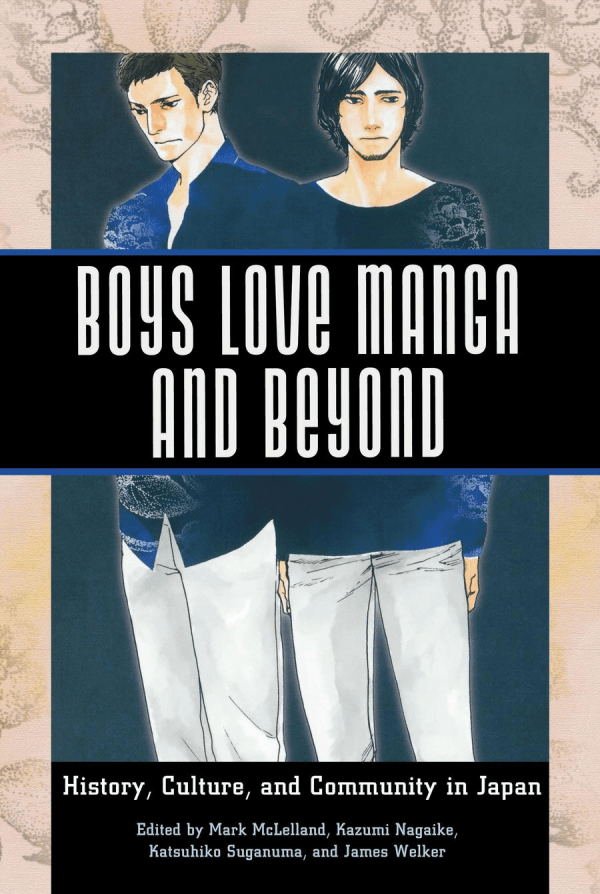
    If I could, I would just hand people a copy of Boys Love Manga and Beyond: History, Culture, and Community in Japan and have them read the chapters An Introduction to “Boys Love” in Japan and A Brief History of Shonen’ai, Yaoi and Boys Love to better understand the history of BL.

    As Boys Love Manga and Beyond mentions, there have been a few terms used for the genre over time. The following four are the most known.
    Shonen’ai (少年愛): A subgenre of commercial shojo manga published in the 70s-80s featuring male/male relationships. Literally translates to “boys love”. These stories often featured beautiful boys and were set in places outside Japan. The word is no longer in use in Japan due to the word being associated with pedastry. A common misconception is that shonen’ai refers to non-sexual BL works.
    JUNE (ジュネ): (Pronounced joo-nay) A magazine dedicated to works with male/male relationships, started in 1978. It also became a genre term mainly used for original BL works during the time. While not really used in Japan, it’s still used at doujinshi events to refer to original BL alongside the term BL.
    Yaoi (やおい): Coined by doujinshi creators in the 80s, it primarily refers to fanworks featuring male/male relationships. It grew to also refer to original work, as some doujinshi creators began to create original works. Overall, the word is self-deprecating, as it mocks the amateur nature of their works. Many were often sexual in nature, leading some to think that the word only means sexual BL. It eventually fell out of use in Japan after BL was coined. In Anglophone spaces, yaoi has been considered a term equivalent to BL as English-translated commercial BL manga was often labeled as such. Many Anglophone BL fans continue to use the word out of nostalgia and fun.
    Boys Love (BL/ボーイズ ラブ): First appearing in the 90s, this phrase is currently the most dominant term to describe works featuring male/male relationships in Japan and overseas.

    While my blog focuses on Japanese BL manga, here are some more BL media that are popular. Chinese BL is known as danmei (from the Japanese ‘tanbi’) and mainly takes the form of webnovels and sometimes comics (manhua). Webnovels and comics (manhwa), mainly the scrolling webcomic format, are popular in Korea. Thailand is known for their BL live-action dramas.

    BL Readers
    As for BL fans, the most common word to describe them is fujoshi (腐女子). It translates from Japanese as “rotten girl”, and a play on the word “婦女子” (also pronounced fujoshi) meaning “women and girls”. Originally, it was a derogatory and self-deprecating term referring to the way fujoshi fantasize or create and consume content of male/male relationships where there necessarily aren’t any–making it a “rotten” activity. In a way, its original usage was similar to how shippers imagine their characters would be in a relationship. Since then it has expanded to generally refer to fans of BL, original or derivative. In Anglophone spaces, the phrase “fujo out”/ ”fujoing out” has become rather popular. I would say it’s similar to the phrase “geek out”/“geeking out” but specifically for BL. There are also the terms fundanshi (腐男子) to refer to men who enjoy BL and fujin (腐人) as a gender-neutral option that most likely originated outside Japan. Fundanshi is sometimes used in Japan, but fujin was coined by overseas fans. While fujoshi is overall a common term to describe BL fans, not all BL fans will use it due to its self-deprecating nature.

    Wrap Up
    I want to mention that BL has historically been seen as a genre “by women, for women” due to cisgender heterosexual women seemingly making up all the creators and fans. BL has also been a space where women can “play with gender” in creating and reading BL, as both characters are men. Due to these reasons, BL sometimes has a reputation for being “not representative of reality” and/or “fetishizing” of gay men and their relationships. These debates have existed since the 90s and continue on today in Japan and overseas. However, on a global scale BL is created and enjoyed by people of all different gender identities and sexualities. While not a topic I will go into great detail, I will occasionally mention the debates and critiques on BL here and there in this series. I do think BL fits in with LGBTQ+ media and stories. While BL is seen more as a “fantasy” genre, I think there has been a growing amount of BL that is more grounded in reality as well. I do think both kinds of stories have worth.

    Next time, I’ll talk about BL manga stories and conventions! See you then.
    If you have any questions or comments, please don’t hesitate to send them my way!

    Resources/Further Reading
    Boys Love Manga and Beyond: History, Culture, and Community in Japan Chapters:
    – An Introduction to “Boys Love” in Japan – Mark McLelland and James Welker
    – A Brief History of Shonen’ai, Yaoi and Boys Love – James Welker
    Fantasies of Cross-dressing: Japanese Women Write Male-Male Erotica – Kazumi Nagaike
    – Includes a translation of “A Lover’s Forest”
    Origin of BL: Mari Mori’s 1961 Novella “A Lover’s Forest” – Akiko Mizoguchi
    The Possibilities of Research on Fujoshi in Japan – Midori Suzuki
    Reflections on “LGBTQ Issues and BL” Symposium at Meiji University – Thomas Baudinette
    BL and its place in LGBTQ media – Ames from Renta!
    What’s in a Name? MLM Romance vs. BL vs. Yaoi & Shonen Ai – The Yaoi Shelf Podcast Episode
    BL, Yaoi & Danmei Resources – Sam Aburime
    Last Edited: 02/16/2026

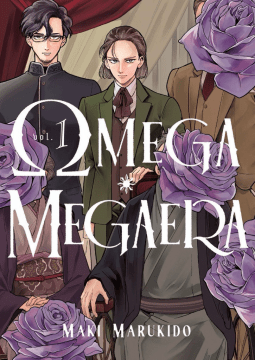
  • EN Title: Omega Megaera
    JP Title: オメガ・メガエラ
    Author/Artist: Maki Marukido
    Publisher: Kodansha
    Publisher Rating: Mature
    EN Publication Status: Ongoing (10 Volumes total)

    Content Notes: Male pregnancy, use of female terms for male omegas (mainly mother), topics of rape, pedophilic releationships, sexism, etc.

    Omega Megaera is the only work from mangaka Maki Marukido that is not a BL. However, I believe it is a story that BL fans would enjoy! I also can see some BL elements in it too.

    Story Overview
    Saimon, an omega, lost his standing in the Hanabusa family when it’s found out he cannot have children. Believing in being true mates with his husband Seijuro, he longs to have the relationship they once had. When his father-in-law Zenjiro tasks him to find his illegitimate child, Saimon finds Mamiya, also an omega, and strikes a deal. If Mamiya pretends to be an alpha, he can live comfortably in the Hanabusa household, and Saimon can become the first wife again. Having been a researcher on omega suppressants in the past, Saimon is confident he and Mamiya can pull it off. Thus begins a grand scheme.

    Review
    I know I am biased as a fan of Maki Marukido, but I have been extremely excited for this title. As a fan of omegaverse, I do love it when stories really dig into societal attitudes of the secondary genders and overall worldbuilding. I know not all will enjoy the sexist and patriarchal attitudes that in a way reflect reality at times, but I do think the omegaverse setting is such a perfect sandbox to explore a variety of ideas and themes.

    Volume 1 primarily sets the stage of this story and introduces readers to its cast and gets the ball rolling for the fight to become the next Hanabusa heir. From the get to there are mysteries, lies, and existing conflicts that will get more tangled up as the story goes on. I’ve enjoyed the way Maki Marukido’s ability to write complex characters and relationships from her other works, so I look forward to learning about all of the Hanabusa family as the story continues. Mamiya and Saimon truly are an unlikely duo, so it’ll be interesting to see how far they’ll get in hiding Mamiya’s true secondary gender. Outside our main characters Mamiya and Saimon, I am most excited to learn more about Reiko! As Maki Marukido mentions in the afterword, alpha women characters aren’t often spotlighted. She already seems like the main rival to Mamiya for the position, so I look forward to seeing her story arc! I am also rooting for Kayo and hope she gets to further her education. Iori too is interesting, as he seems to have a good heart underneath it all.

    Omega Megaera overall has a promising start with an interesting cast of characters and suspense. It is a series I would only recommend to those who are either familiar with the omegaverse genre or willing to learn about it. It’s themes and topics are deep and do relate to things seen in reality as well, making it even more compelling.

    Thanks to NetGalley and Kodansha for having the DRC available.

    PS: To be honest, I took a peek at volumes 2 and 3 in Japanese, thanks to them being free digitally on different ebook platforms! And without spoiling, I can confidently say the story gets even more interesting. I also have a sense something may be brewing between Mamiya and Iori…?

  • I finally made a banner and drew an icon for the blog!!

    I can’t believe it’s the end of the year already! I started this blog in April/May but have been only irregularly posting due to work and grad school. I am happy to share that I have finished my program~ While the degree conferral date has passed, I still have a bit to wait for my degree to be officially awarded. Another exciting piece of news is being a part of 801 Blogs, a directory of bloggers who write about BL in some capacity.

    Thanks to everyone who’s taken a look so far, even though I haven’t written too much due to my schedule. I mainly reviewed titles I was able to get from DRCs through NetGalley and Edelweiss this year since it was available to me. It was my first time being able to do it, and it was really cool being able to read and review ahead of time! It’s been a learning process of figuring out how to format each post, the depth of the review, and which aspects of a work to talk about. I hope to improve over the next year in writing and how I structure my posts! I’ve also decided I will be primarily focusing on BL manga that are localized into English and available in print for the time being. So, I am currently not taking any requests to review BL titles outside this scope.

    Here’s a little sneak peek on ideas I have for the blog in addition to reviews:
    – My BL Manga for Beginners Picks 🔰
    – Mangaka spotlights
    – Posts on Japanese magazines/labels, tokuten, doujinshi, and more!
    – Adding setting tags to posts (office workers, fantasy, high school, entertainment industry, etc.)
    – Organizing personal collections

    Now, this wouldn’t be a recap post without sharing some of my favorite English BL manga (+ one novel series) releases and reads of the year, in no particular order. Some I’ve may have talked about before. It was tough to narrow it down!!

    Titles/Series New in English
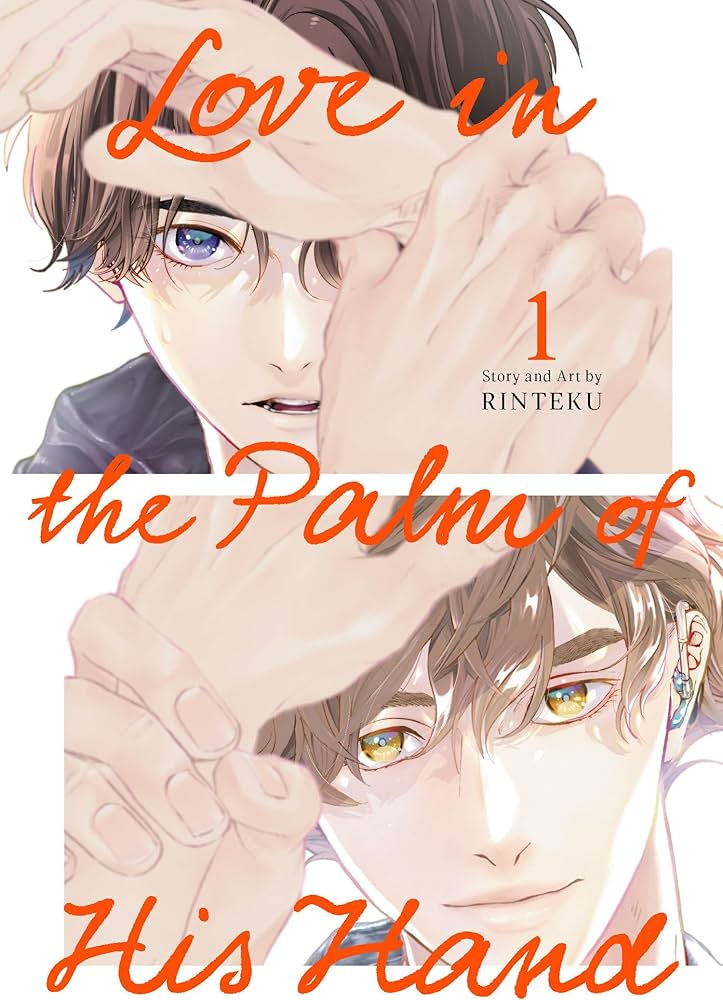
    1. Love in the Palm of His Hand by Rinteku
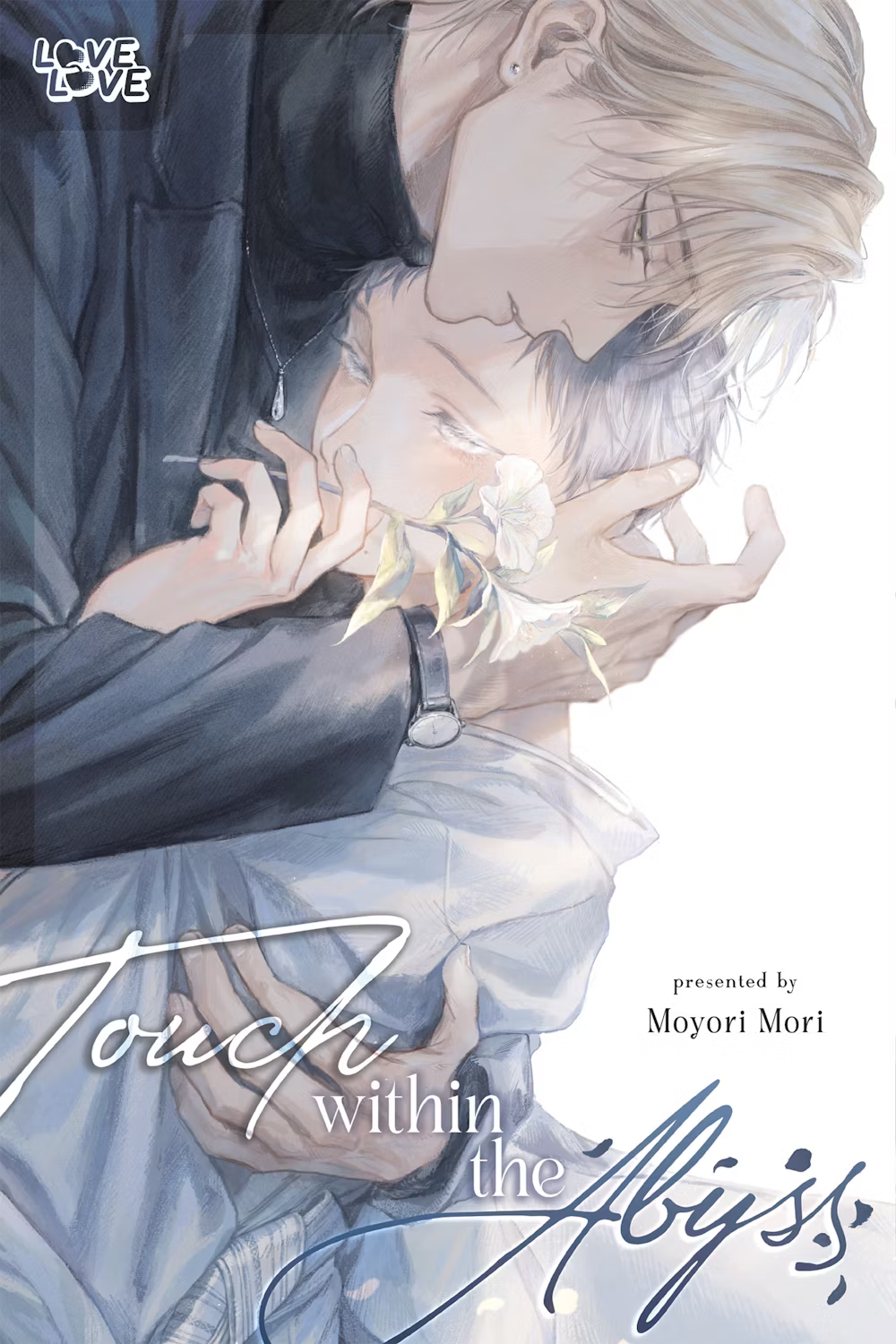
    2. Touch Within the Abyss by Moyori Mori
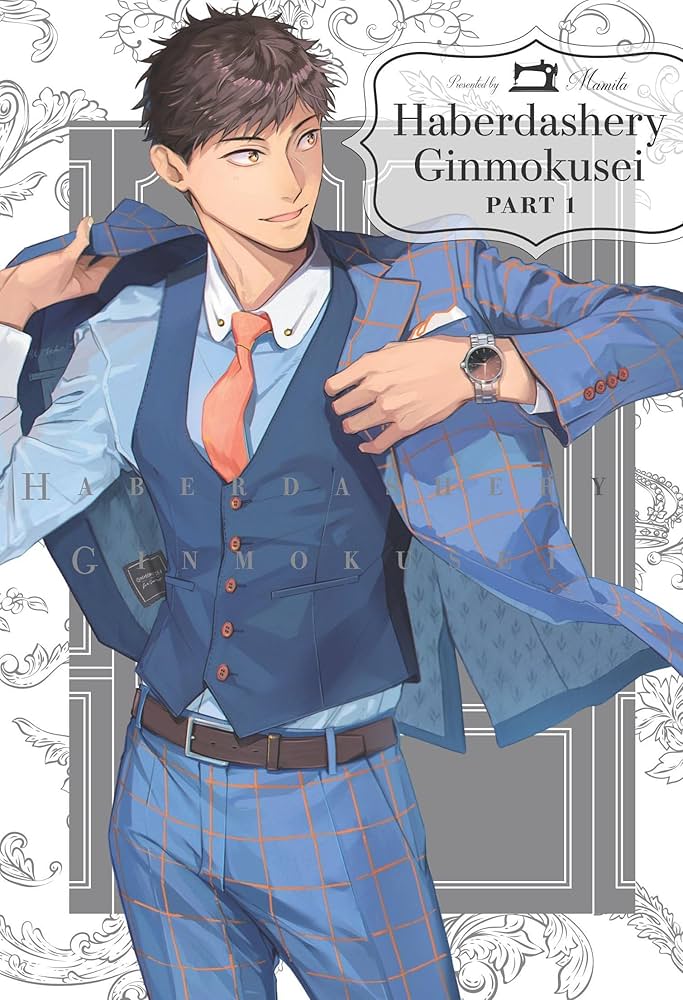
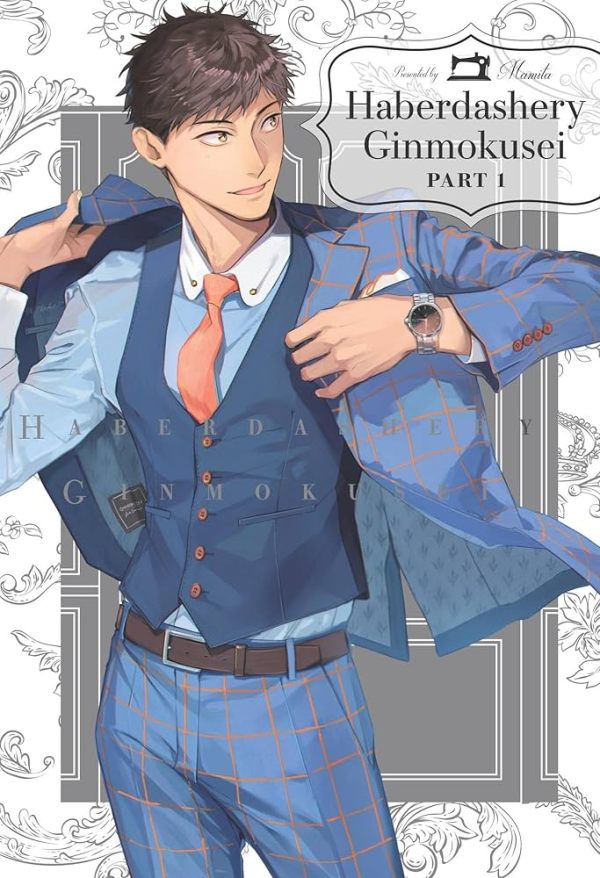
    3. Haberdashery Ginmokusei by Mamita
    4. Omega Megaera by Maki Marukido (not BL, but Maki-sensei is primarily a BL mangaka, so there are some elements!)
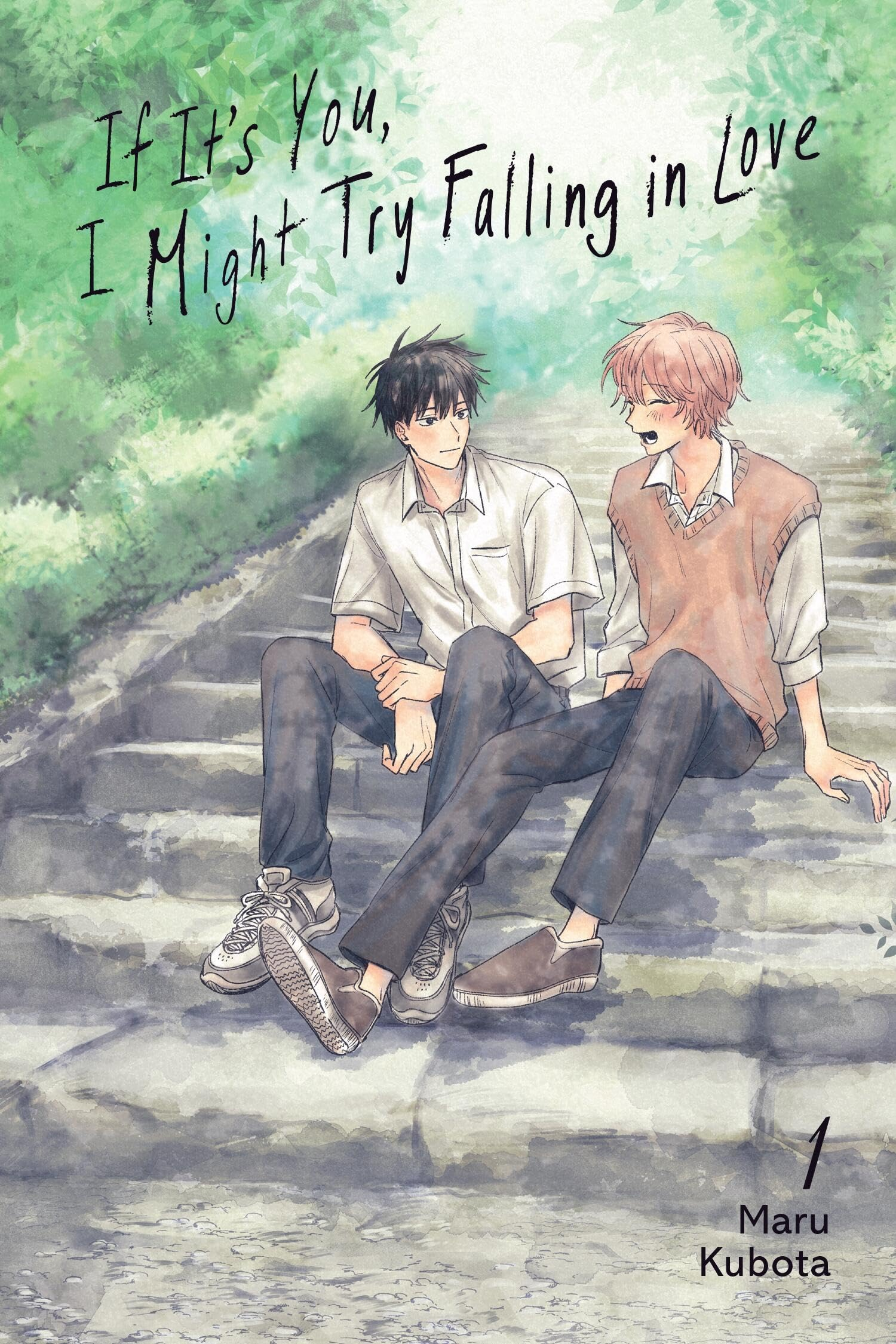
    5. If It’s You, I Might Try Falling in Love by Maru Kubota
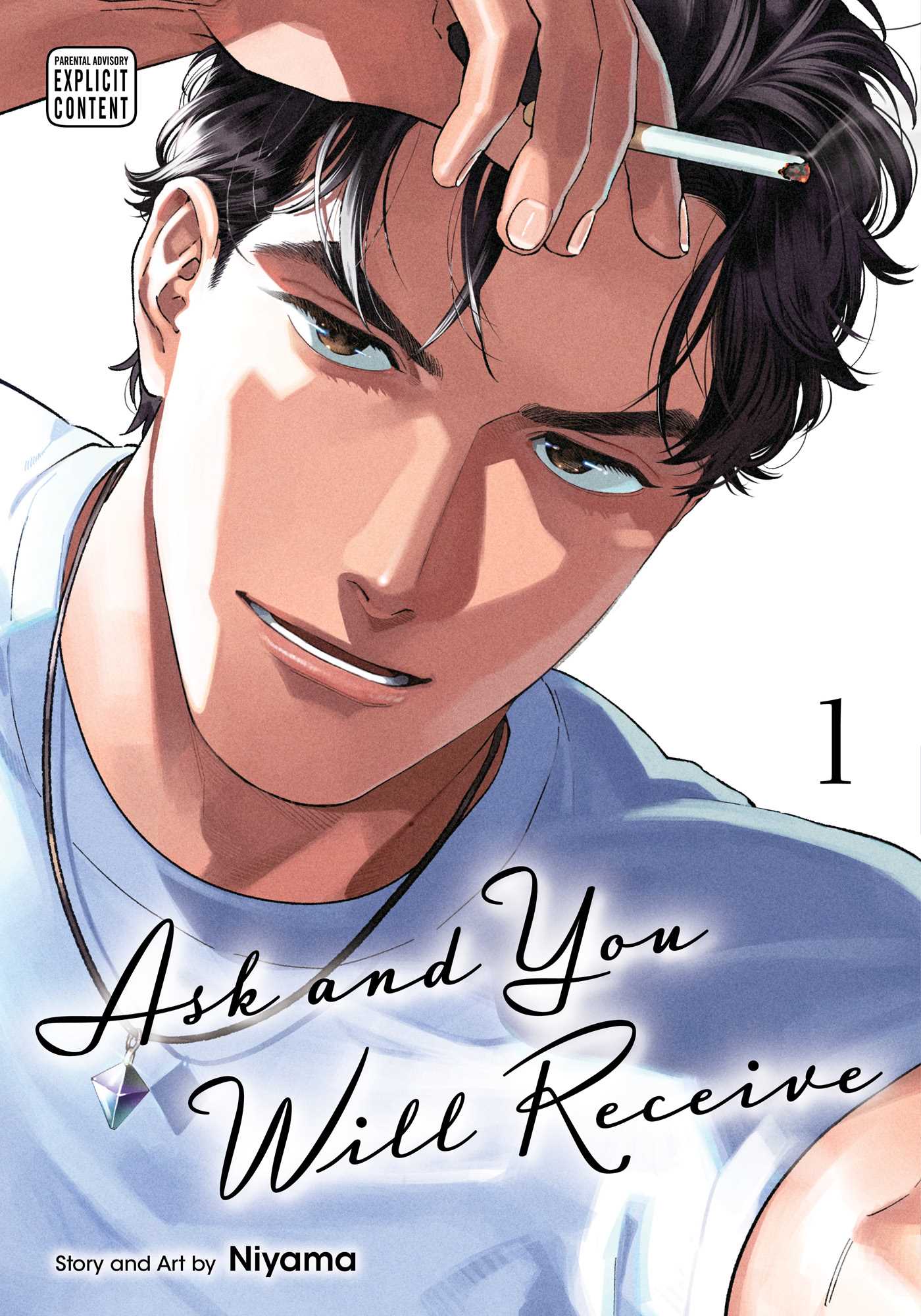
    6. Ask and You Will Receive by Niyama
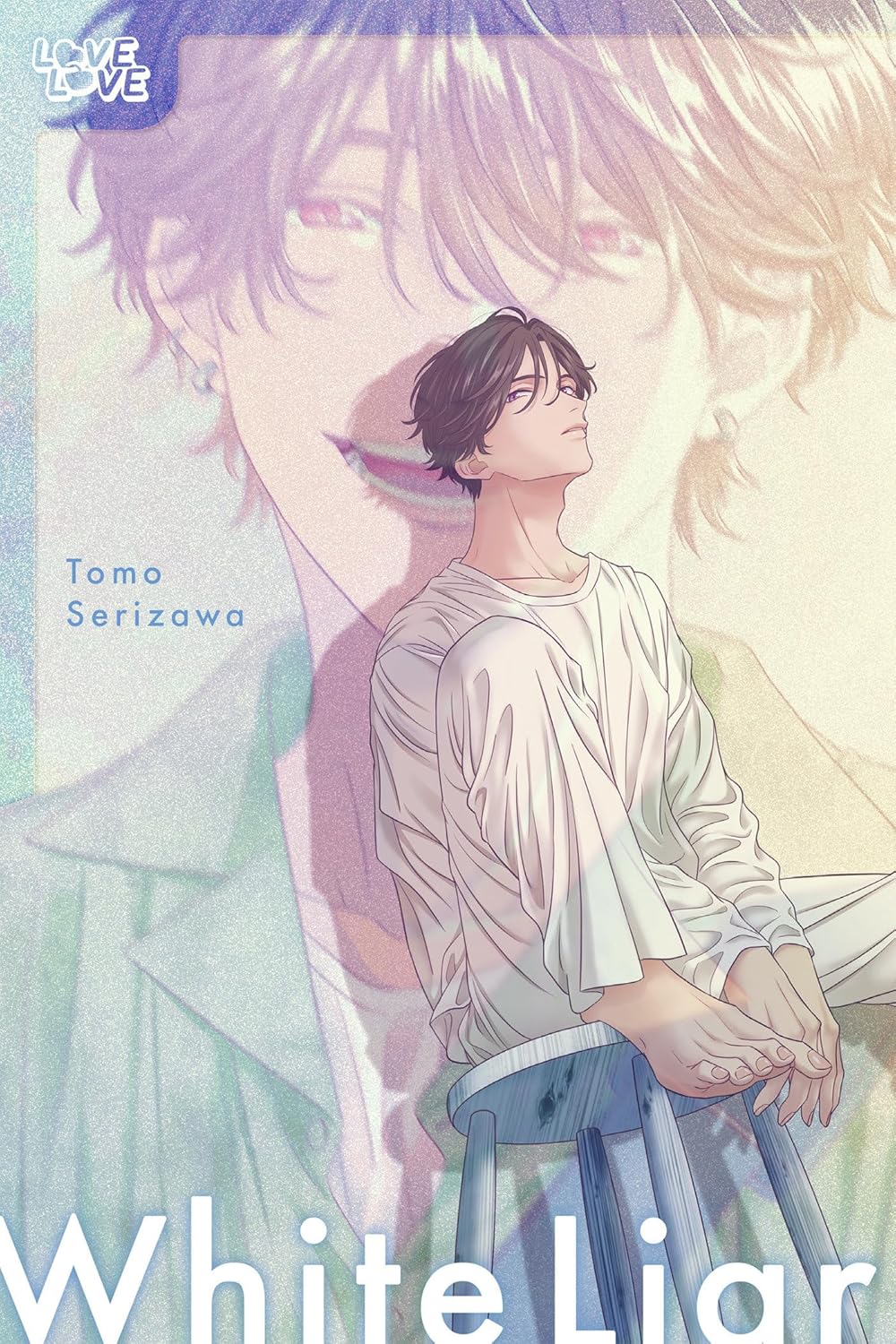
    7. White Liar by Tomo Serizawa
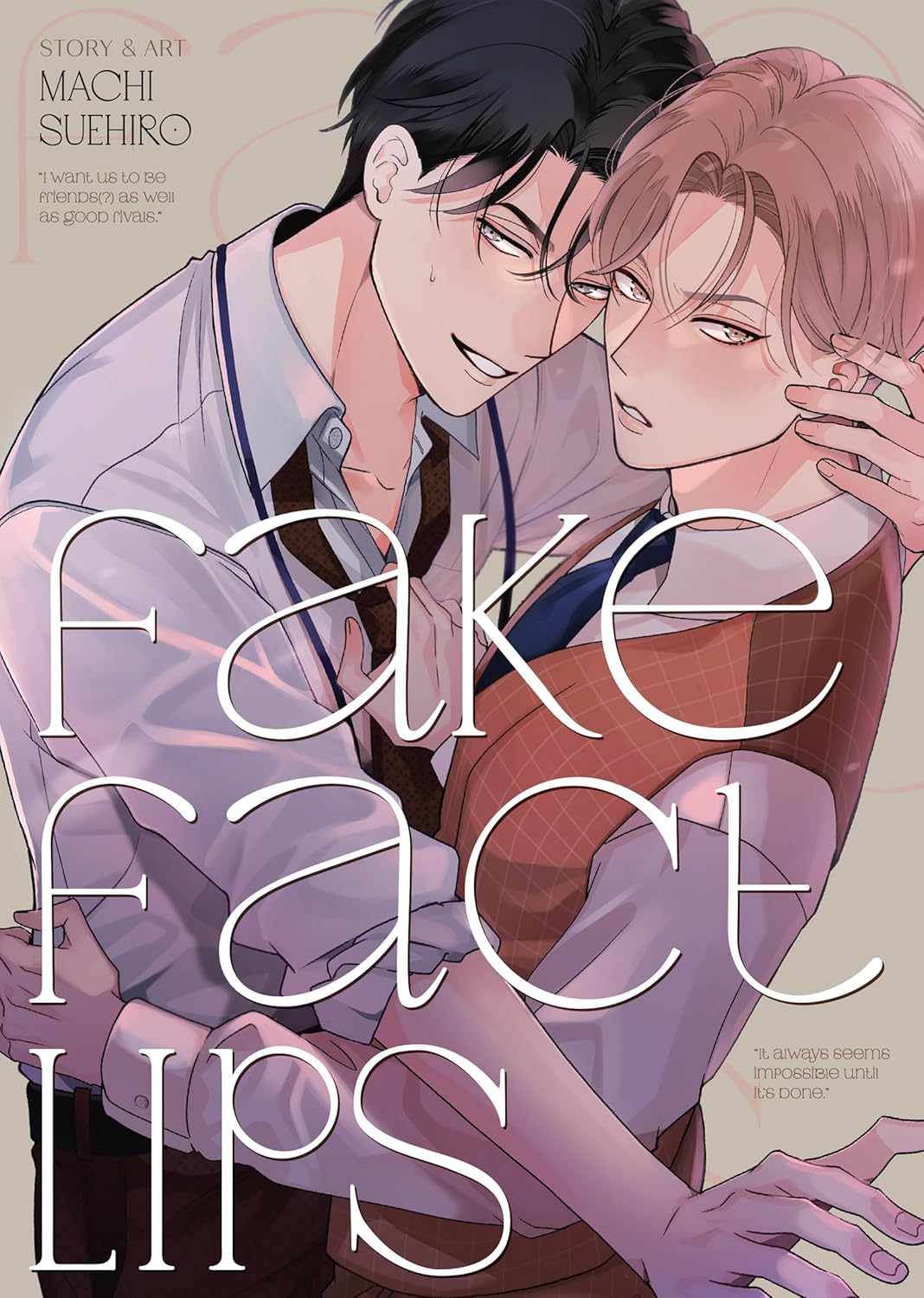
    8. Fake Fact Lips by Machi Suehiro
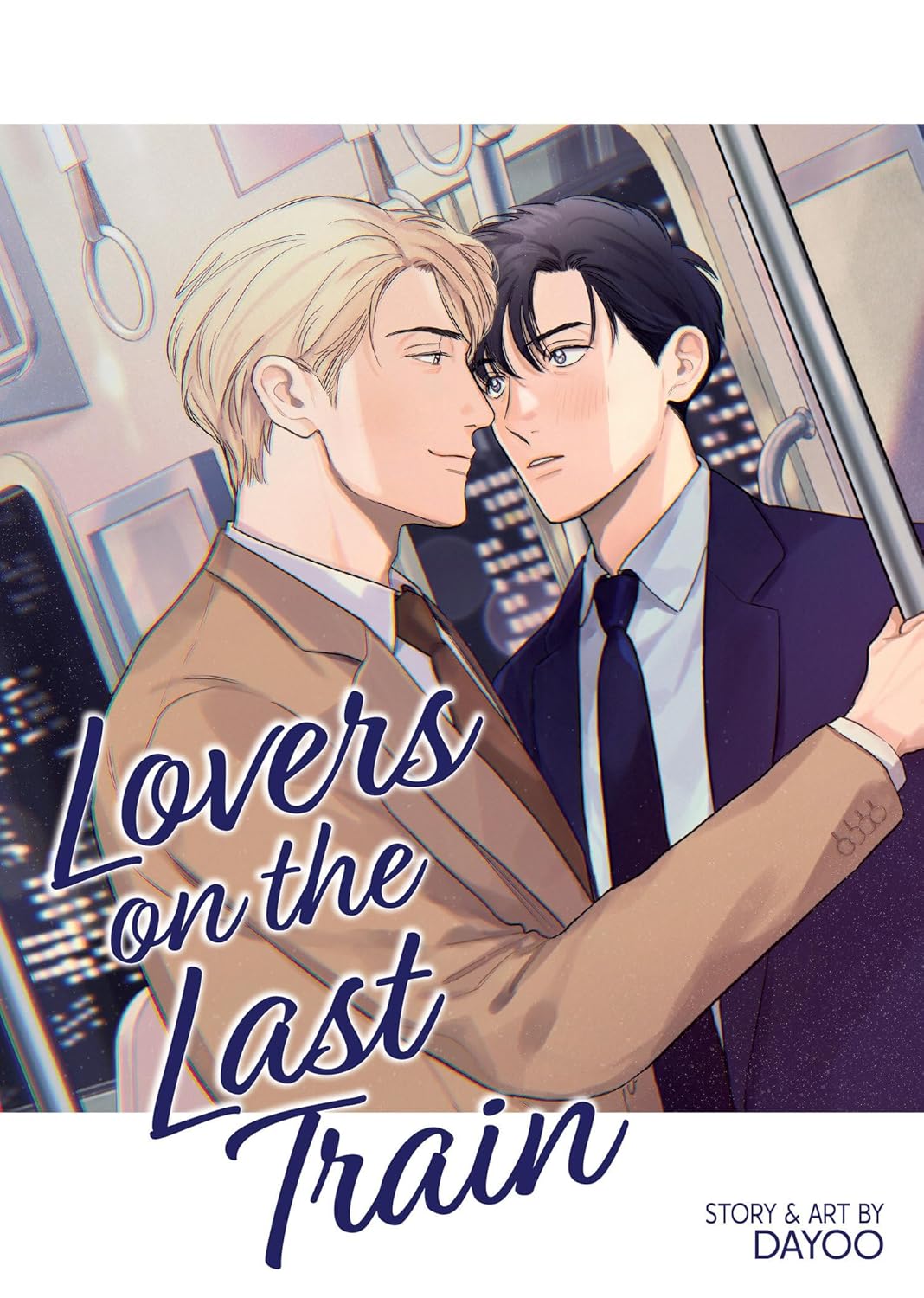
    9. Lovers on the Last Train by Dayoo
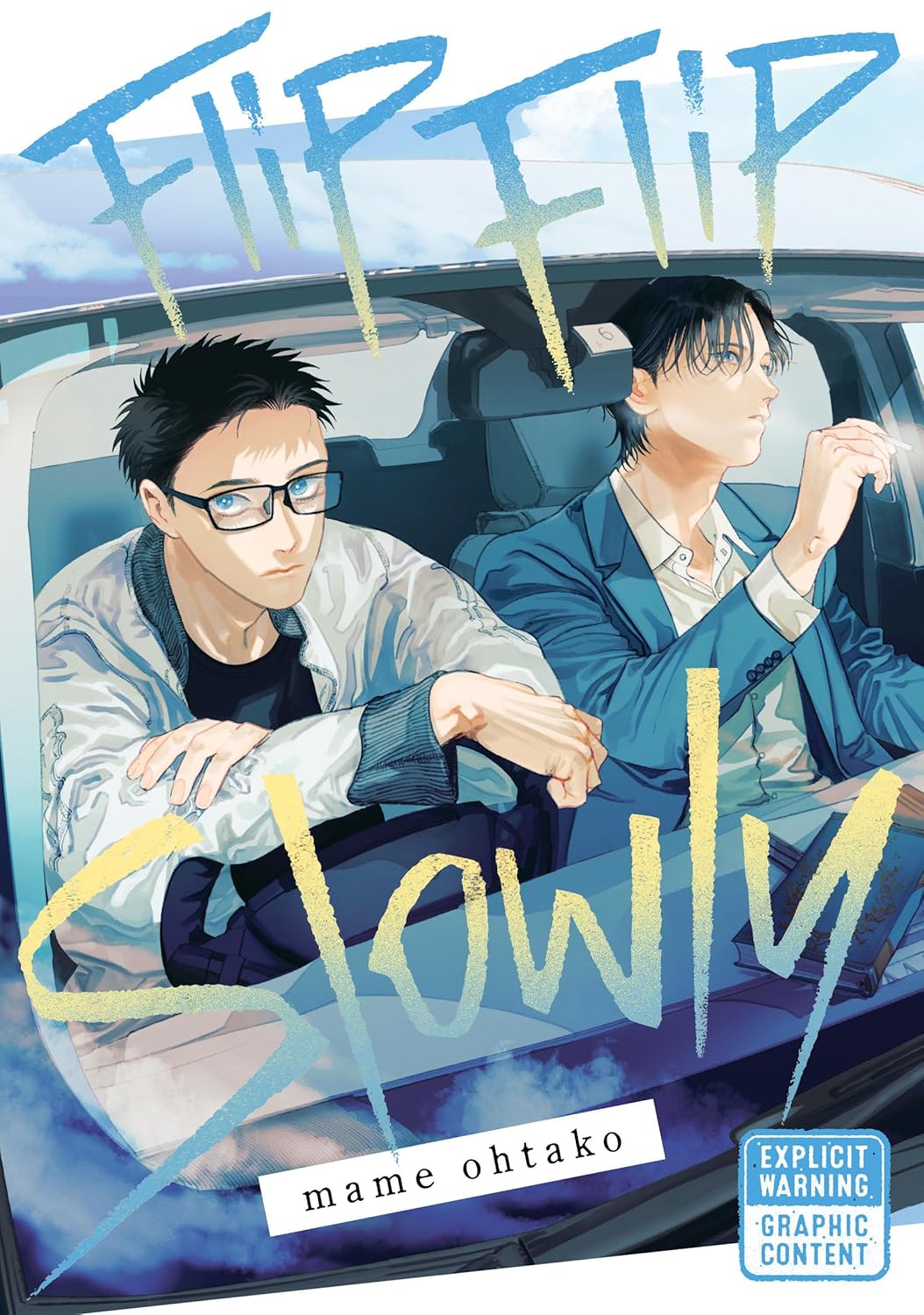
    10. Flip, Flip Slowly by Mame Ohtako

    Ongoing Series
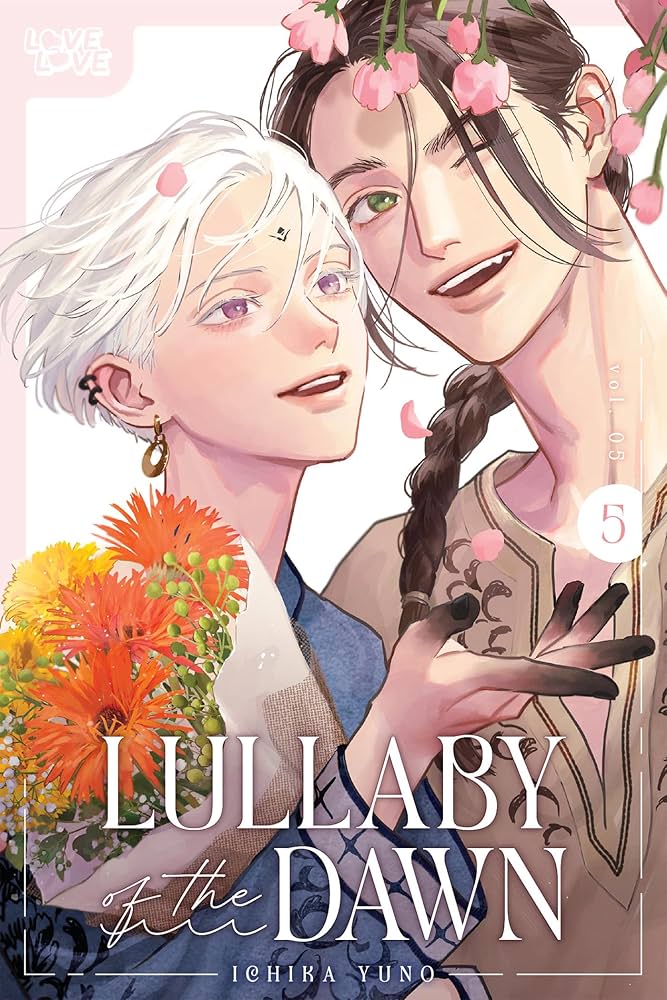
    1. Lullaby of the Dawn by Ichika Yuno
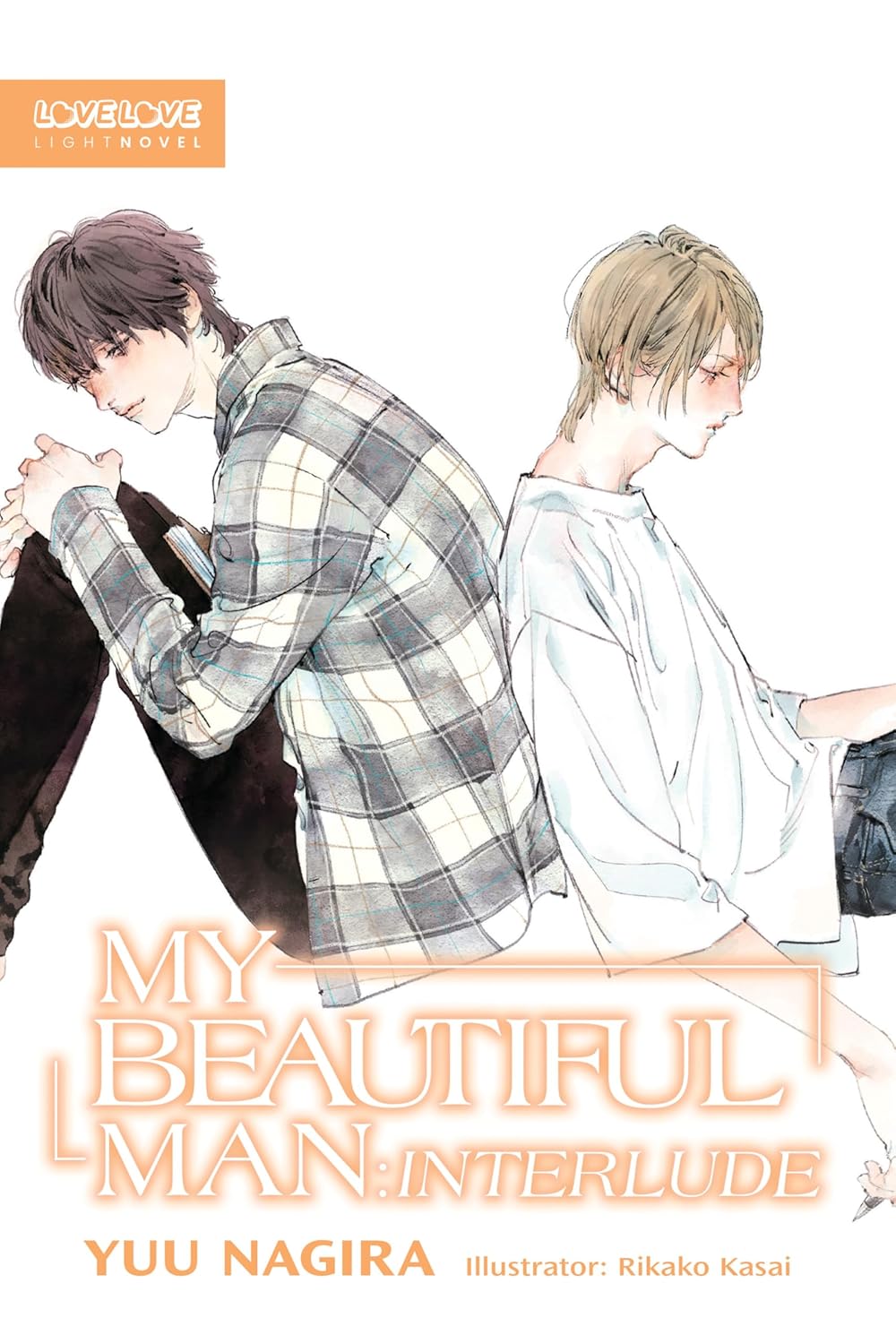
    2. My Beautiful Man (light novels) by Yuu Nagira
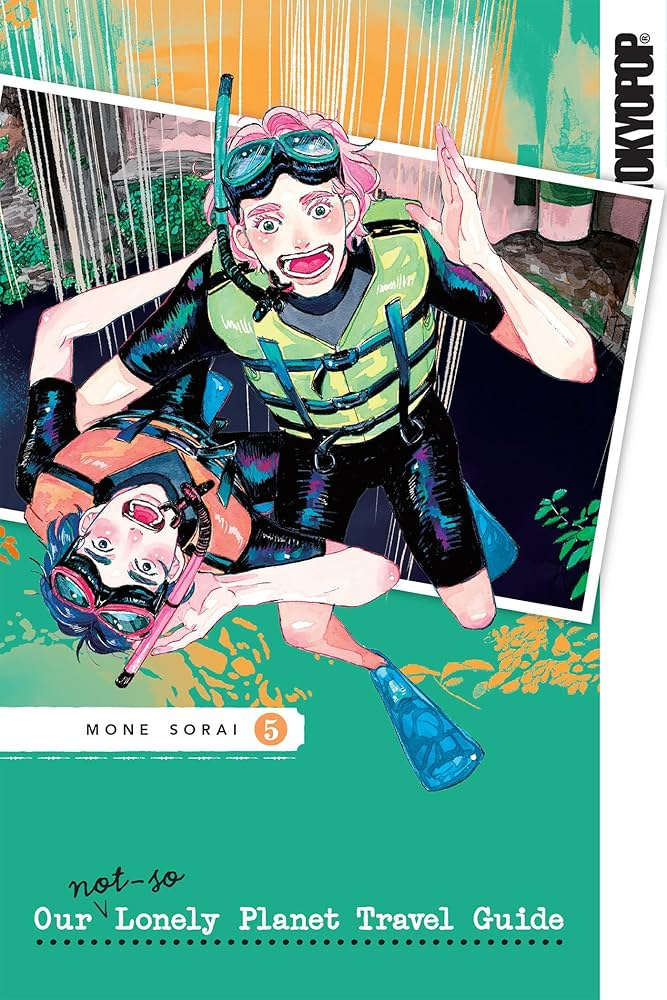
    3. Our Not-So-Lonely Planet Travel Guide by Sorai Mone
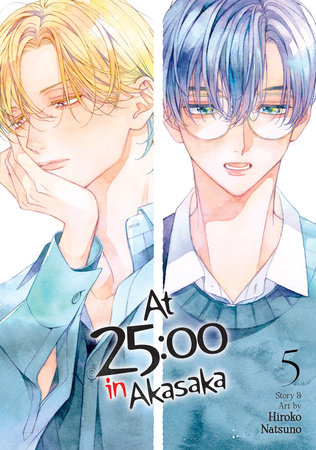
    4. At 25:00 in Akasaka by Hiroko Natsuno
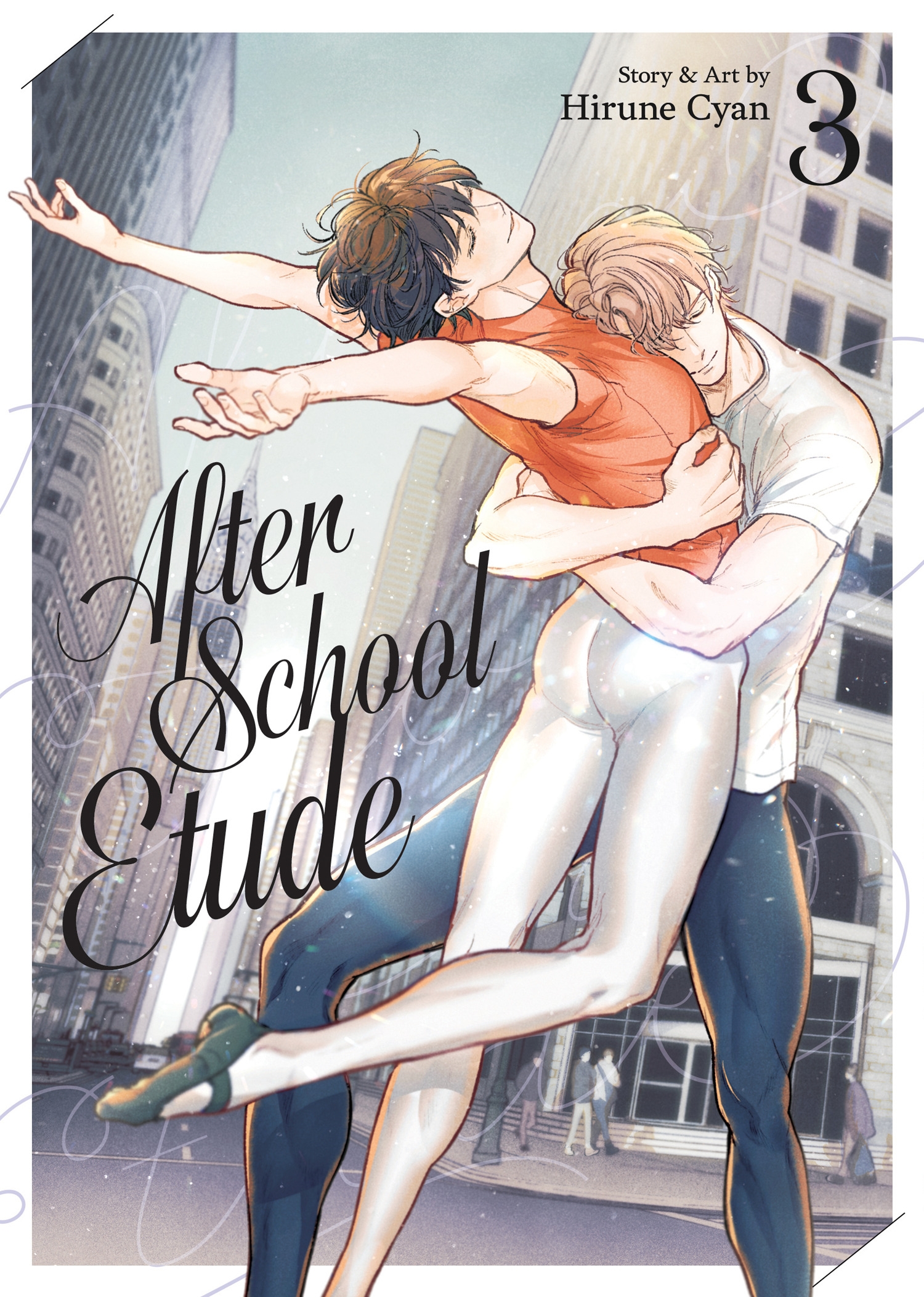
    5. After School Etude by Hirune Cyan

    Completed Titles/Series
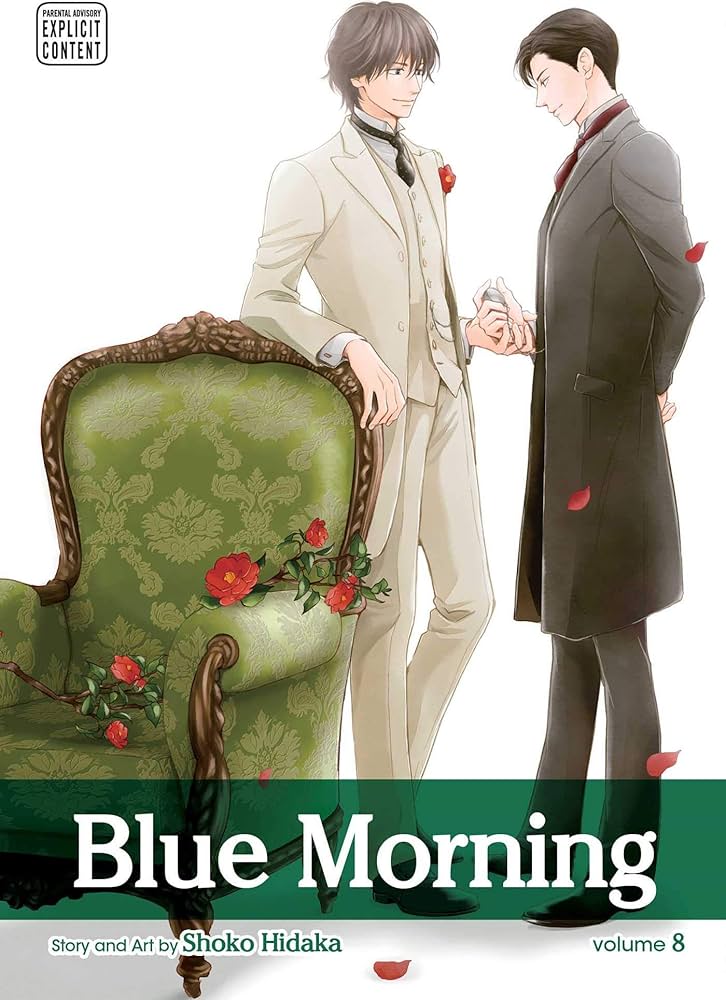
    1. Blue Morning by Shoko Hidaka
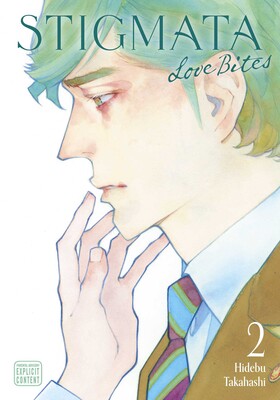
    2. Stigmata: Love Bites by Hidebu Takahashi
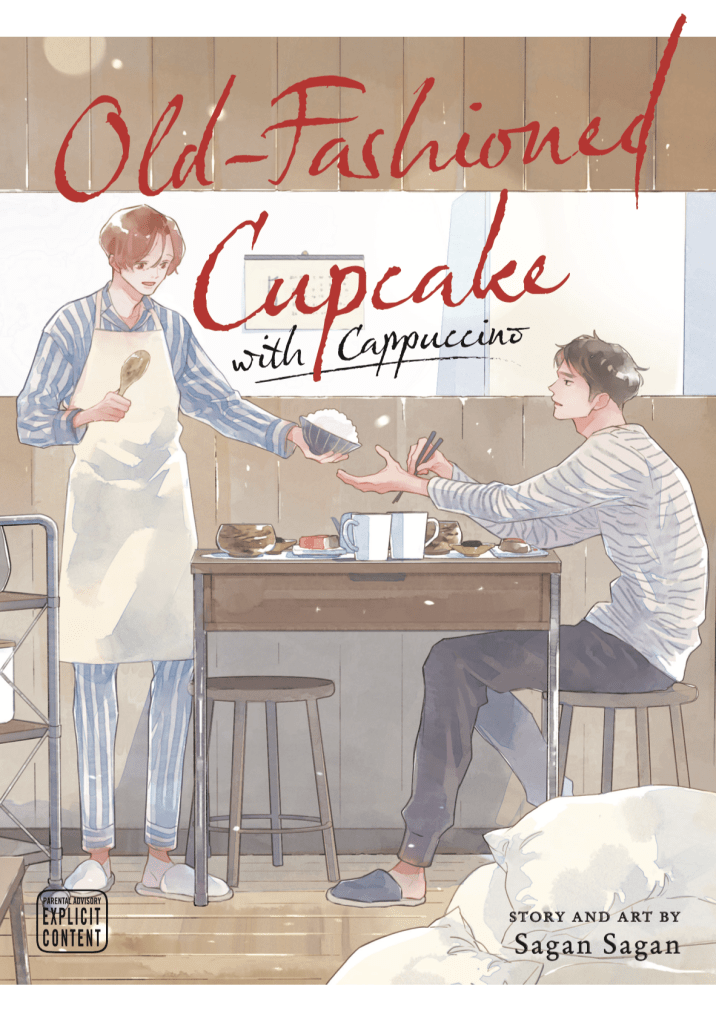
    3. Old-Fashioned Cupcake by Sagan Sagan
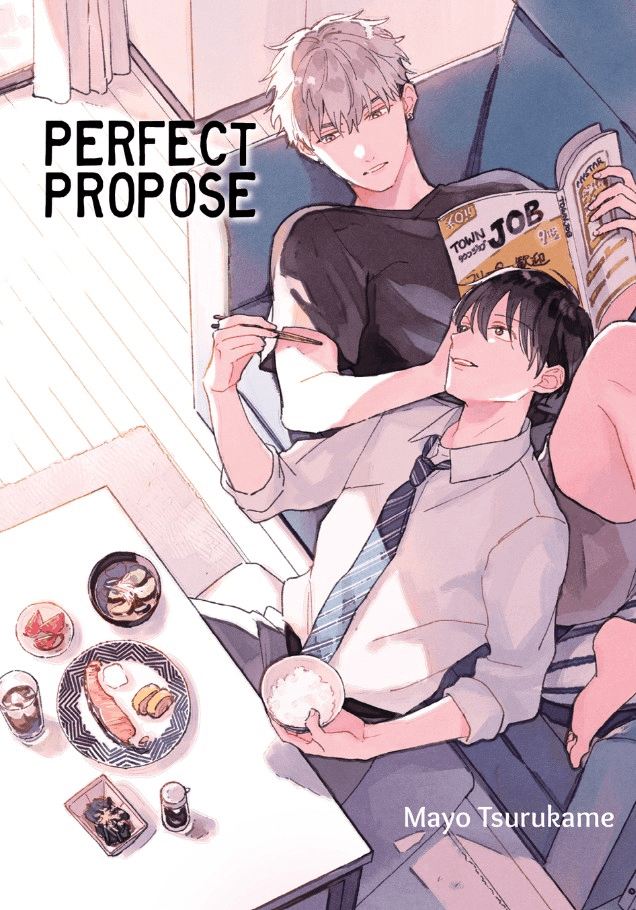
    4. Perfect Propose by Mayo Tsurukame
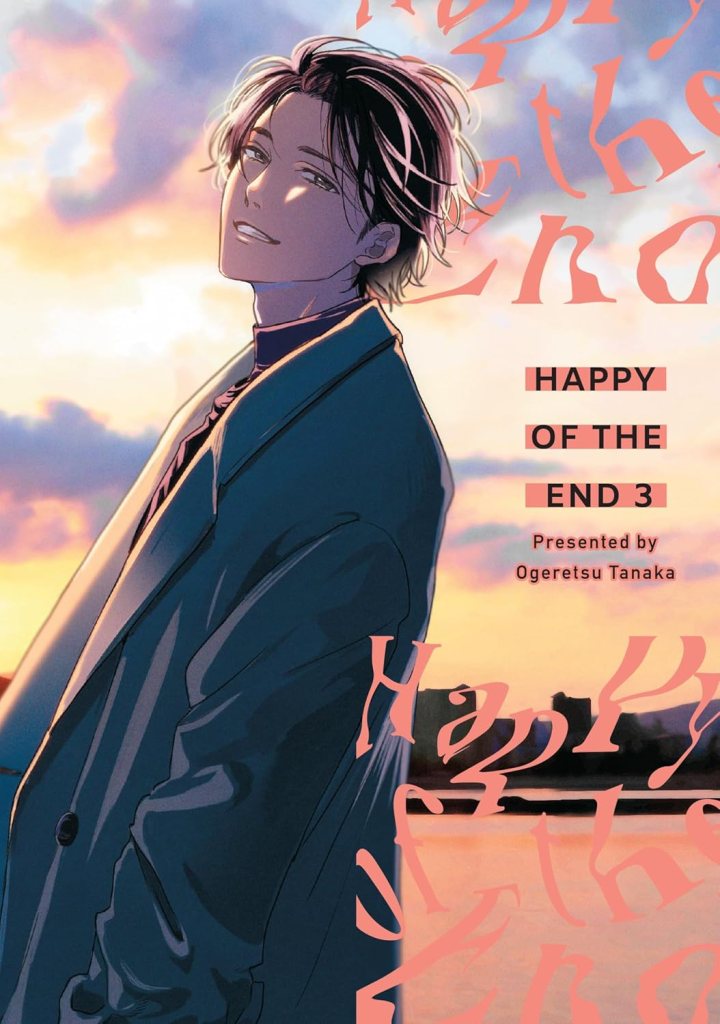
    5. Happy of the End by Ogeretsu Tanaka

    I do have a few more reviews I need to finish up, but thanks again to everyone who’s come and read the blog this year! If you do have comments, questions, or want to connect, don’t hesitate to let me know!

    See you soon~

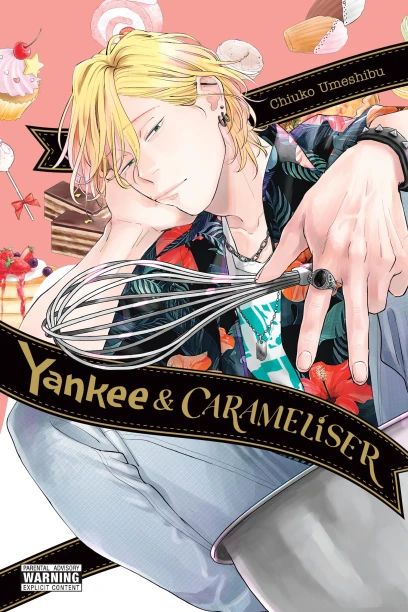
  • EN Title: Yankee & Carameliser
    JP Title: ヤンキーとキャラメリゼ
    Author/Artist: Chiuko Umeshibu
    Publisher: Yen Press
    Publisher Rating: Older Teen
    Status: Ongoing (a sequel is serializing in Japan)

    Content Notes: Sexual content (epilogue chapter only)

    Story Overview
    High school student and social media influencer Yasokawa knows that Maki, his delinquent classmate, is secretly a baker. When the opportunity arises, Yasokawa convinces Maki to make him a dessert. He subsequently ropes Maki in to turn his simple social media account into the next viral sensation! With Yosokawa as his manager, Maki’s new videos and recipes take off. And as the two spend more time together, both of them find themselves with unfamiliar emotions.

    Review
    Yankee & Carameliser is a sweet single-volume BL with an opposites-attract storyline. I honestly did not expect it to take the route of the two making a social media cooking account, which I found intriguing when I read the premise. Delinquent characters who have a sweet, hidden side to them is a trope I have seen in BL and other manga genres, and it’s one I enjoy. Maki is no exception, especially when he gets flustered by Yasokawa! I was also touched by his backstory mentioned in chapter two, as the story is more lighthearted. Hiding your interests and true self because others ridicule or reject you is tough. so it was sweet to see him allow another to see him as he is. Yasokawa really is a great match for Maki. His persistence allows him to hang out with Maki and eventually get him to reveal his feelings. And while he pushes Maki out of his comfort zone, he does it out of admiration and caring for Maki. While he initially joked about exposing Maki’s hobby on social media early on, he’s really not the type to post something on social media at another’s expense.

    With the story ending as they get together, I found myself wanting to see what kind of future is in store for them! Will Maki keep baking and making videos with Yasokawa? Which is why I’m so happy to see there’s a sequel currently serializing in Japan! This time, Yasokawa is in university while Maki now aims to become a patissier. Hope to see second bake in English in the future as well.

    Thanks Yen Press and Edelweiss for the DRC. Yankee & Caramelizer is available now~

  • EN Title: Perfect Propose
    JP Title: パーフェクトプロポーズ
    Author/Artist: Mayo Tsurukame
    Publisher: Futekiya/Manga Planet
    Publisher Rating: Mature
    Status: Complete

    Content Notes: Sexual content

    Story Overview
    Exhausted from overwork and poor nutrition, Hirokuni Watari winds up passed out on the sidewalk one night. When he comes to, a young man he named Kai Fukaya stands before him. Though they haven’t met in years, Kai asks to stay over, saying they promised to marry. After Kai explains his situation, Hiro lets him stay. As time passes, Hiro begins to fall for Kai, who is confident in winning Hiro’s affection… The more time he spends with Kai, the more he gets used to living together. What will happen when it’s time for Kai to leave? At the same time, his stressful work situation intensifies.

    Review
    I really enjoy stories showing how people have the ability to affect others’ lives. Even if it’s only because of simple kindness. Hiro simply spending time with Kai impacted him enough to want to find Hiro later on. And in Hiro giving him a place to stay this time, he returns kindness back to Hiro. While his attitude is cool, seeing him care for Hiro was so sweet. As for their romantic relationship, they really are a bit of an odd couple as Hiro’s coworkers said! But the two do fit together well. The homey feeling of their relationship was charming to me and suited their characters. As both aren’t the most social, seeing them casually talk and live together showed how comfortable they are with each other. It’s as if they weren’t apart for half a decade! Part of me did feel the dialogue was too casual at times, but it wasn’t too jarring. Regardless, Kai’s forwardness contrasting with Hiro’s wavering feelings was a fun dynamic to me.

    I also love the glimpses of other relationships they have. For example, Kai learns how people can affect others in talking with the son of the restaurant owner who took him in. The brief hospital visit scene gives a little glimpse at how the old man cared for Kai. There’s also Kaneko, to a lesser degree. Even though he said he couldn’t help Hiro at work, he did stay at his job longer to watch over Hiro, and he eventually helped Hiro get new work. Perfect Propose also portrayed Hiro’s work situation and how it wears him down. One really good scene was Kaneko’s conversation with Hiro on how they use it to manipulate his confidence. I also liked Hiro and Kai’s conversation on life what we keep in our hearts to keep us going every day when times are tough.

    Overall, Perfect Propose is a grounded slice-of-life, showing love in seeing your loved one at the end of the day and sharing meals with them. This is one of my favorite titles that is available on Manga Planet, so I’m so happy to see it available in print now!

    To close out, Perfect Propose was ranked 15th for Best Comic Category in the Chill Chill BL Awards back in 2021. Here’s the illustration Mayo Tsurukame drew as a thanks!

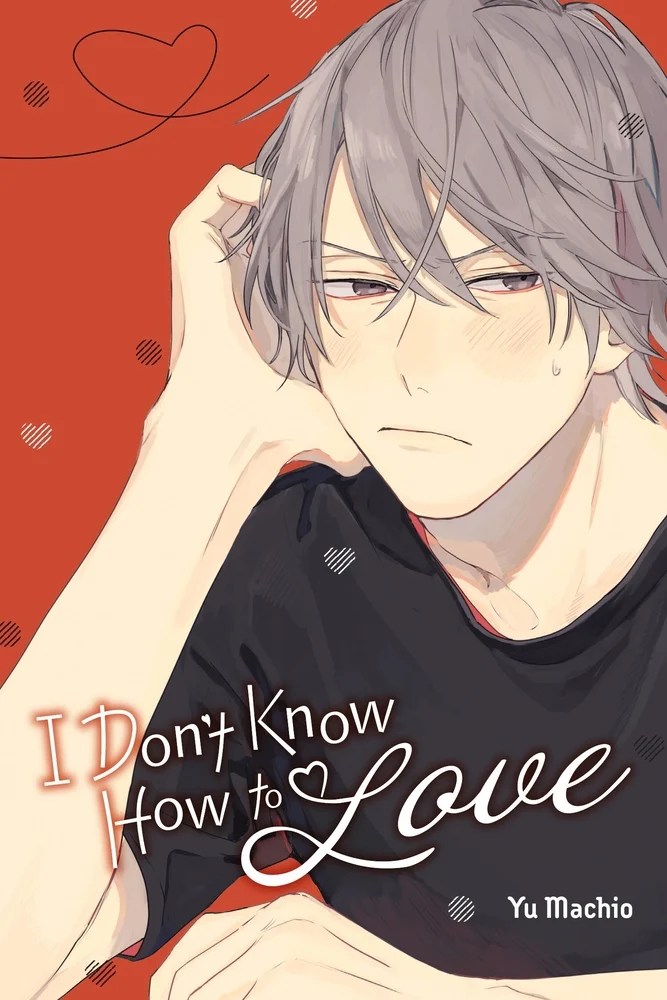
  • EN Title: I Don’t Know How to Love
    JP Title: 恋の仕方がわからない
    Romaji: Koi wo Shikata ga Wakaranai
    Author/Artist: Yu Machio
    Publisher: Yen Press
    Publisher Rating: Older Teen
    Status: Complete

    Content Notes: Sexual content

    Story Overview
    Aimi is known to be willing to date anyone, as long as they agree to his condition. Since that includes meeting up with women, many of his relationships don’t last. But his junior Kaede is happy to agree the open relationship! Aimi thinks Kaede will be like the others but is surprised Kaede genuinely respects his condition. As their relationship continues on, Aimi begins to have seemingly inexplainable feelings, but surely he can’t be falling in love!

    Review

    When Aimi’s friends eventually point out that he’s acting like an elementary school boy, I wholeheartedly agreed. But rather than be irritated at the story progression, I was amused by his attitude and overall. The way he checked his phone, looked out for, and just constantly thought about Kaede throughout the story was adorable. So when he finally admitted his feelings, the goofiness of it was endearing for me. I do think this only worked because the story is in his point of view. If the story were from Kaede’s side, Aimi really would just look like a jerk for the most part. And because Kaede wanted to respect Aimi’s condition, the story would have a bit of a different tone. But I do wish there was a little bit more of Kaede’s inner thoughts in the story. I loved how he would brighten up whenever Aimi showed up, so it would have been nice to know more about him! In general, having more details of the characters would have been nice and give them more depth.

    I Don’t Know How to Love is a quick, silly romcom with low stakes. The story’s pretty straightforward, so I recommend it for those who want something light and sweet. The book is out now!

    Thanks to Yen Press and Edelweiss for the DRC.

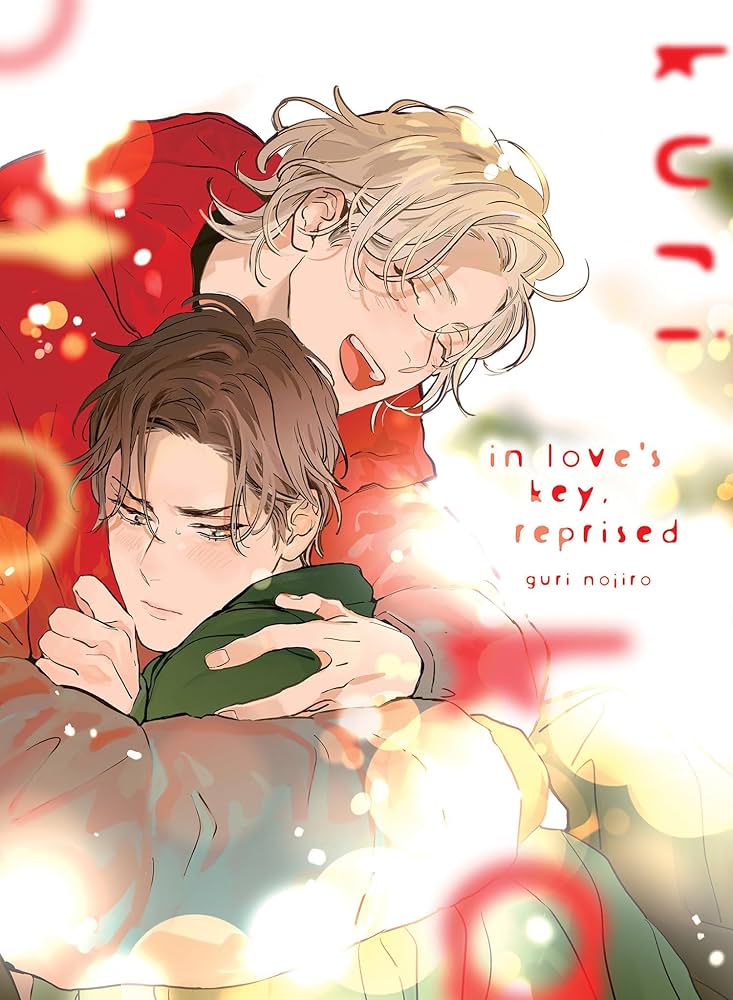
  • EN Title: In Love’s Key, Reprised
    JP Title: くりかえしあいのおと
    Romaji:  Kurikaeshi Ai no Oto
    Author/Artist: Guri Nojiro
    Publisher: Kodansha
    Publisher Rating: Mature
    Status: Complete

    Content Notes: Sexual content

    Story Overview
    The strict conductor Kiri returns home to Hokkaido to rest due to health issues. Despite Kiri’s harsh attitude, Osamu, his fan and the local grocer, helps him keep warm when his electricity is off and finish moving in. Kiri eventually gets roped into helping the local junior high school’s choir, of which Osamu’s younger sister Lala is a part. As a loner who struggles to get a long with others, Kiri has difficulty getting along with the choir, especially Lala. At the same time, Osamu also gets closer and closer to him, giving him a warmth he doesn’t realize he has been longing for.

    Review

    In Love’s Key, Reprised is a short, heartwarming story of a lonely man who finds both love and better understanding of caring for others. It’s also a story of working with grief, as Kiri’s harshness partially stems from missing his mother who had passed. The comfort and care he receives from Osamu helps Kiri find he does have a chance at changing and improving.

    The story focuses more on the romance between the two and skips out on showing Kiri becoming more friendly with the choir and those in town over time. The story dedicates a few panels showing a timelapse, but I think the story would have been stronger if readers had the chance to experience it more. This story then, once again does suffer a bit from it being a single volume BL. I still found the romance between Kiri and Osamu very adorable, as I do like the dynamic of an overly friendly person and cold loner couple. Even though Kiri for the most part just gave into Osamu’s kindness and warmth, I found it sweet. Guri Nojiro’s linework has a certain softness to it that gives an extra cozy feeling to the story and romance.

    Despite weaknesses that come with being a single volume, In Love’s Key, Reprised is a manga I could find myself going back and reading when I need a little pick me up.

    Thank you NetGalley and Kodansha for the DRC!

    Guri Nojiro is an author I have been a fan of, and has two others works available in English:
    A Beast’s Love Is Like the Moon – published by Tokyopop
    It Was the End of Spring – debut work; localized by Renta! (digital only)

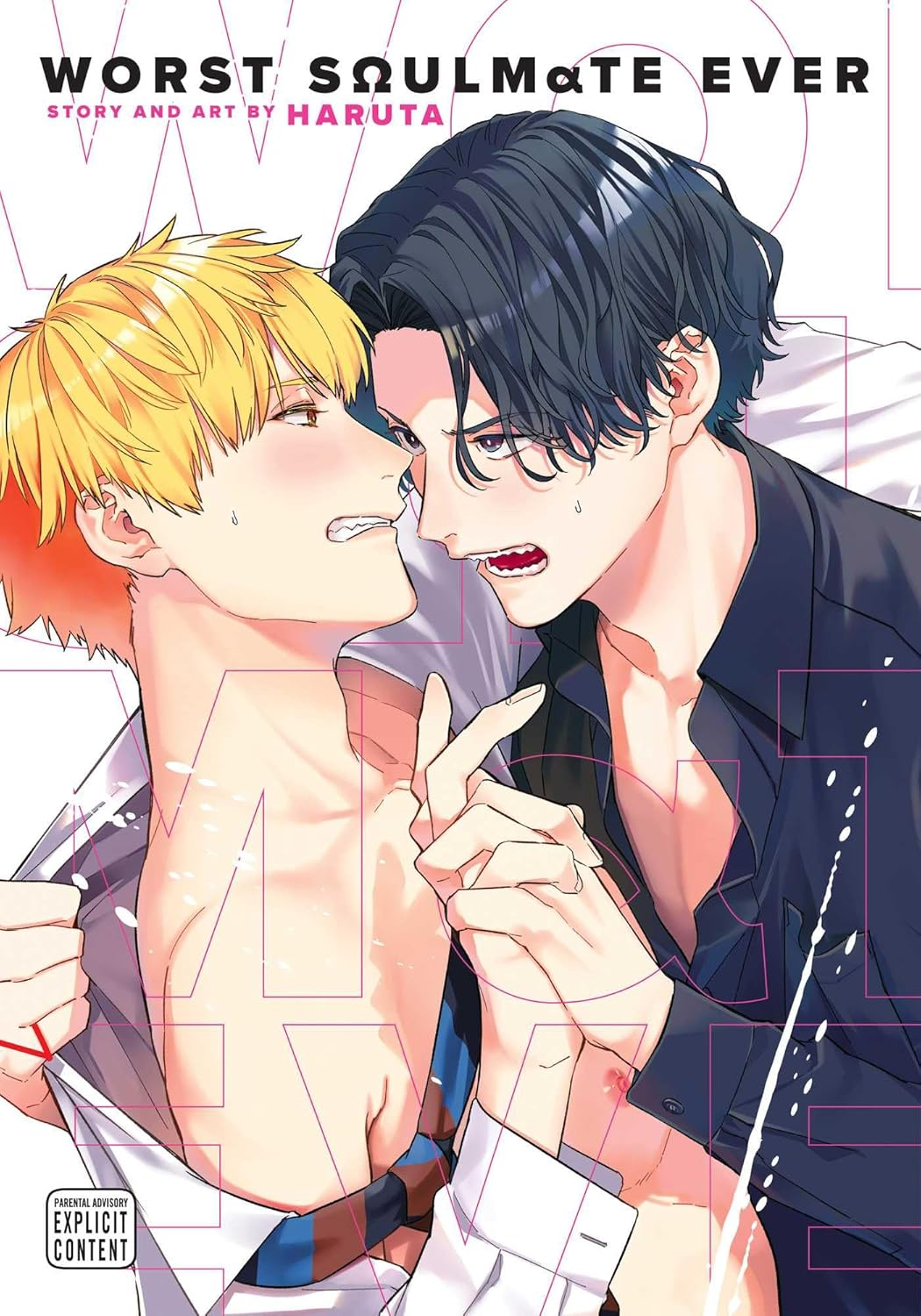
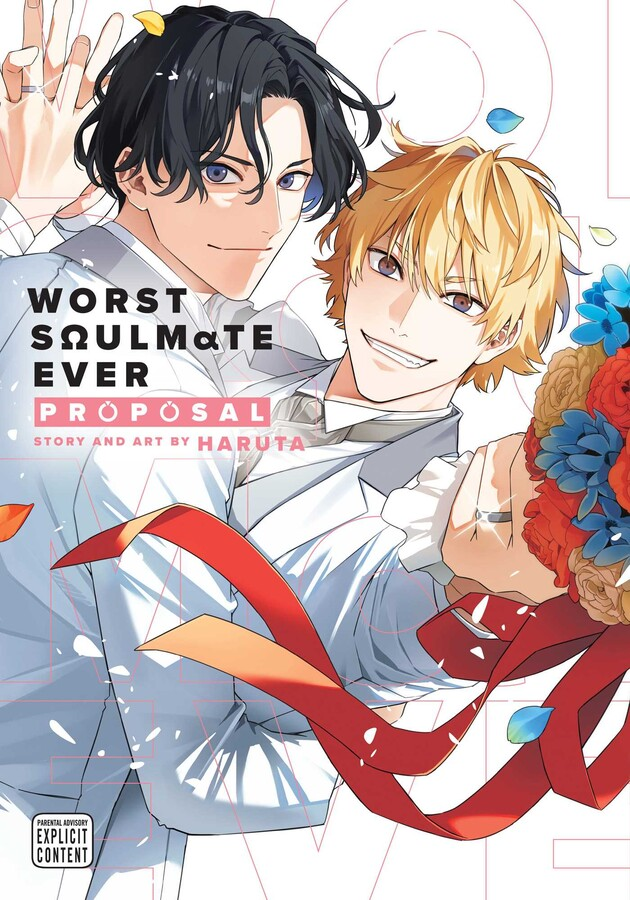
  • EN Title: Worst Soulmate Ever
    JP Title: 運命の番がお前だなんて / 運命の番に求婚(プロポーズ)だなんて
    Romaji: Unmei no Tsugai ga Omae da Nante / Unmei no Tsugai ni Kyuukon (Propose) da Nante
    Author/Artist: Haruta
    Publisher: SuBLime
    Publisher Rating: Mature
    Status: Complete (2 Volumes, second volume is titled Worst Soulmate Ever: Proposal)

    Content Notes: Sexual content

    Story Overview
    Yu Shishikura struggles with romantic relationships but is desperate to find his true mate. Being an omega makes is more difficult too. After participating in a soulmate consulting service, he finds out his perfect match is alpha Haruto Kotani, his coworker and former classmate who has been holding a grudge against Shishikura since… middle school?! Kotani may have helped Shishikura through a heat once, but he doesn’t believe in the result! But after having sex again, his thoughts are full of Kotani, who also has a nicer side to him…

    In the sequel Worst Soulamate Ever: Proposal, Shishikura and Kotani have admitted their feelings for each other and have become a couple. Shishikura is finally one step closer to his dream of marrying his soulmate! Kotani, on the other hand states he has no plans to legally marry. Shishikura then has to decide on if he wants to stay with Kotani or his dream of marriage. When another man hits on him, both have to decide on the future of their relationship.


    Review

    I like to say that I’m not the biggest fan of the bickering couple trope, but every time I read a story with one, I eat it up anyways! (In Japanese, these couples are known as ケンカップル (kenkappuru). From the beginning I had to laugh at the story’s set up, especially for Kotani’s long and really petty grudge. And when the steamy scenes came around, Haruta showed the chemistry well! Story wise, their judgments and pride preventing them from admitting their feelings is one I feel is a classic story line in BL, yet I still kept flipping through. I really enjoyed the moments where Kotani was caring toward Shishikura and also seeing him realize he was falling for him. The comic didn’t have much of his perspective, so I was curious to know more about him. The story ended happily with them recognizing their feelings, but I do wish there was more development between the two. There were still were a lot of loose ends as well! Even if the feelings were now reciprocal, what about becoming mates? Luckily, there’s the sequel.

    Worst Soulmate Ever: Proposal starts out with what I assume is an extra story where the two going on a hot spring date, giving more insight on their new relationship. Overall it was really funny, as they try to exorcise a ghost by having sex at the hot springs. As for the main story itself, it gave a little more insight into Kotani’s character and feelings on bonding and marriage, which I had been looking forward to seeing. His reactions to Shishikura talking positively about his family shows Kotani mostly had the opposite. And when his family past is revealed, he finally tells his honest fears and concerns about marrying. The rest of the story was sweet as Kotani makes peace with the past and marries. I found it funny his brother got in the way for two chapters, only to quickly disappear after that until the wedding. I thought he’d also maybe get involved with helping Kotani and Shishikura with the father afterwards, but then again it makes sense he didn’t? But his little appearance was really quick. Regardless, the sequel wrapped up the story nicely, and I’m glad to see the two get their happy ending!

    I enjoy the omegaverse setting, though I like stories that are more unconventional, whether through different gender pairings or a deeper exploration of the setting. But I still had a lot of fun reading Worst Soulmate Ever! There were glimpses to some of the worldbuilding and how people view omegas, which I always enjoy seeing. This is my first time reviewing an omegaverse story, so for those unfamiliar with this setting: it was originally a fanfiction trope that eventually made its way into fanworks and original BL in Asia. The books contain brief information on the setting for unfamiliar readers, which I find is a good practice! Worst Soulmate Ever was overall light and fun, so I’d recommend it for mature readers who want something more steamy and comedic, maybe to wind down after a stressful day!

    Thanks to SuBLime and Edelweiss Plus for the review copies! I ended up getting the books myself afterwards since I had fun reading~